=
Uncover the truth about smart locks and the convenience trap they set for homeowners.
Why Most Smart Locks Are Just Marketing Hype
Look at the data—most smart locks on the market are nothing but fancy gadgets with a short lifespan. According to a 2022 security report, 40% of smart locks fail basic security protocols within two years of installation. This isn’t about fear-mongering. It’s about dealing with manufacturers who would rather invest in glossy advertisements than robust, secure technology.
The Flawed Tech Inside Your Padlock
Smart locks are often packed with technology that promises convenience. But have you ever wondered, “Is this tech worth the risk of being locked out?” Here’s the truth—many of these locks rely on cheap sensors and weak encryption. That’s a shortcut to failure. A friend of mine—a seasoned locksmith—once reported that he cracked a high-end smart lock in under ten minutes using nothing but a magnet and some basic hacking software. Shocking, right?
And let’s talk power sources. Most of these locks use AA batteries or, at “best,” a built-in rechargeable battery. Maybe you think that’s reliable. But what happens when that battery dies—or worse, malfunctions in cold weather? You’re stuck outside in the freezing night.
Real-World Failures You Can’t Afford
Picture this. It’s snowing outside, and you’re coming back from a long day. All you want is some warmth. You reach your door and your smart lock decides to go “dumb”—all thanks to a firmware glitch. This isn’t just a bad dream. It’s a reality users face when manufacturers overpromise and underdeliver.
I once dealt with a client who bought a smart lock from a well-known brand, touted as the “safest.” It failed completely after six months during a software update. Software update! The fine print didn’t cover it.
Is Wi-Fi Connectivity A Double-Edged Sword?
Adding Wi-Fi to locks seems like innovation. But it’s more like adding a backdoor to your security system. Sure, you can open it with your phone—but so can hackers. In 2021, a security breach exposed over a million smart locks to attackers, through a simple vulnerability discovered in the Wi-Fi module.
Bluetooth isn’t much better. Interference issues, limited range, and pairing problems aren’t exactly rare. When the real test is in extreme circumstances, these shiny features often turn to dust.
Don’t Let The Gloss Fool You
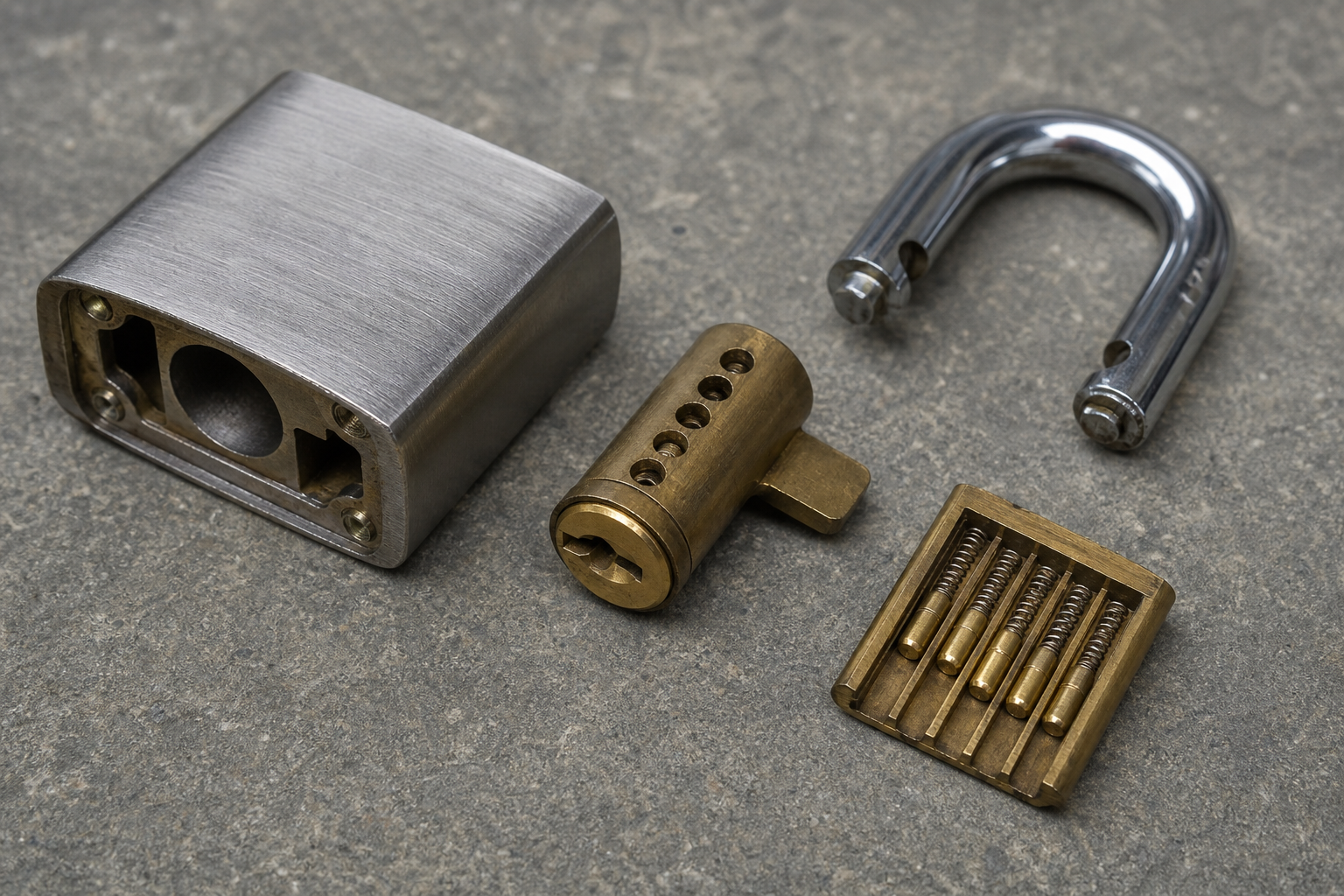
Before you replace your trusty padlock with a smart version, ask yourself—”Are these so-called features worth the headache later?” Traditional locks have endured the tests of time. They don’t fail because they’re hardcode. Nothing beats mechanical reliability combined with quality manufacturing.
Here’s what they don’t tell you—lock manufacturers that quote 30 days for custom smart locks are often outsourcing components to save costs. I’m talking about recycled materials and off-the-shelf chips. At Yuefong Lock, we’ve learned that putting engineering first means controlling production. That’s why we laser-cut key systems in-house—we’re not relying on a dubious overseas vendor.
The Bottom Line—Keep It Simple
Your security should start with a solid foundation. Smart locks are for show-offs. If you live in reality and demand reliability, stick to old-school hardware like a robust mechanical padlock. The fewer moving parts, the less there is to fail.
Of course, convenience is tempting. But what price do you pay, getting locked out of your own home? Isn’t it better to have security without compromise? I say yes.
By the way, this isn’t a plug—or some sales rep nonsense. it’s just plain sense.