Smart Locks: Do the Numbers Add Up?
Everyone’s talking about a 17.8% CAGR in the smart lock market. But let’s cut through the noise. Sure, 17.8 sounds impressive, but what does it really mean? Well, this so-called growth rate projects a doubling in size every 4-5 years. Yet, I’ve seen plenty of fads come and go in security hardware. Padlocks and smart locks blend tech with security, but they aren’t magic. Great for convenience—yes. Does it make deadbolts obsolete? Not a chance.
Reality Check on Manufacturing
Here’s the reality. Most “smart” locks are just regular locks with some electronics slapped on. We’ve seen factories claiming CE certifications, yet fail at salt spray tests under 40 hours because they use inferior coatings. At Yuefong Lock, we are obsessed with quality tests—120 hours bare minimum. Why? Because you can’t cut corners on security.
Look, manufacturing isn’t just about slapping a microchip into a padlock. It’s metallurgy, electronics, and so much more. And if you’re skipping the secondary coatings to “save costs”—good luck when your products rust in no time in humid climates. Remember the first generation smart locks? Good ideas, bad execution. Complexity breeds failure when not carefully assessed.
Consumer Trends or Consumer Traps?
Are consumers truly demanding more smart locks, or is it just marketing hype? Analysts love to paint pictures of tech-savvy homeowners replacing every old padlock with a smart counterpart. But how many are willing to trust an app more than the feel of a rotating key in an honest-to-God keyhole? Smart locks sell on fear and convenience but still need reliable backup systems. If the power’s out or the app bugs out, you know you’ll wish for that simple key.
The market’s glaring flaw—assumed perpetual connectivity. What happens when connectivity drops? Smart becomes dumb, you can’t unlock your own door. The industry’s oversight.
Skepticism on Cost and Adoption Rates
Let’s look at costs. Smart locks tend to be priced way above your average lock. Companies promise savings in installation through “DIY” models. Sounds like an expensive toy with more chance of failure if improperly installed. Just by throwing buzz tech terms around, manufacturers aren’t making your home any more secure. And the adoption rate might stall once the novelty fades.
Plus, homeowners in older buildings? They’d often need to replace doors entirely to fit a smart lock. Adds up quick, doesn’t it?
Solutions: Tangible and Tested
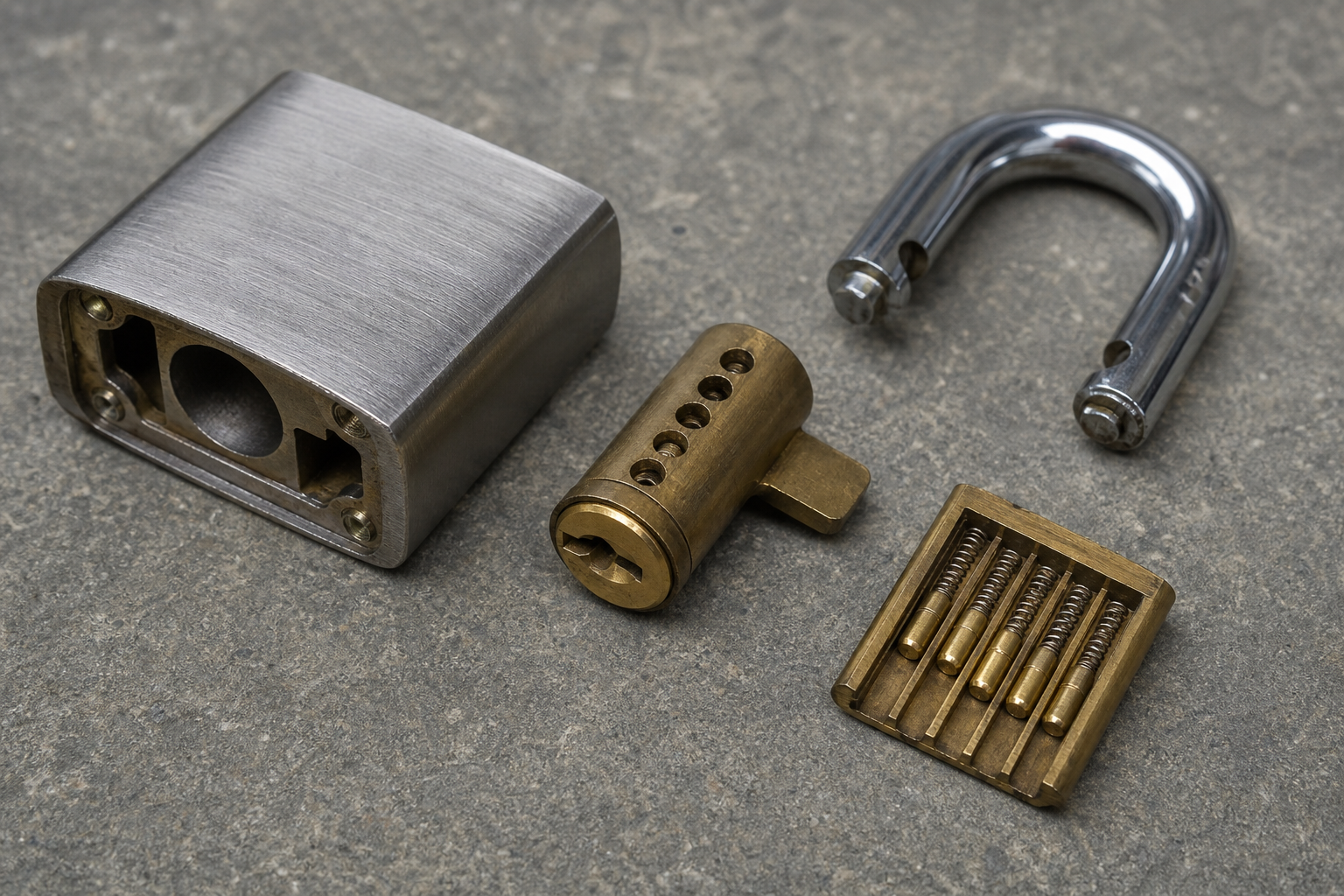
What’s the solution? Invest in real security with proven hardware. Padlocks, for instance, have been refined over centuries, and you can’t beat metallurgy with hype. A well-made lock, hardened steel shackle, withstands persistent attacks better than “advanced” systems that falter at first logistical hiccup.
Also, saying our locks are reliable isn’t just rhetoric—we’ve cut lead times on prototypes and samples by owning the mold shop. Most places quote you a month; we do it in a few days. That’s not hype, that’s efficiency.
Conclusion: Skepticism is Healthy
The 17.8% CAGR? Sure, it looks good on paper. But dig in a little, and you might find that the numbers don’t match the practicality. Smart locks are part of the future, no doubt, but don’t let them replace tried-and-true methods just because the growth charts are going up.
So, question everything. Trust but verify. That’s the engineer way, isn’t it? More useful than fancy terms and rosy projections.